
Producer Pitch Summary: “The White House Is Fake”
If you would like to get involved in the project please email us jhawk@thehawkstudios.com for the Month of November and December 2025.
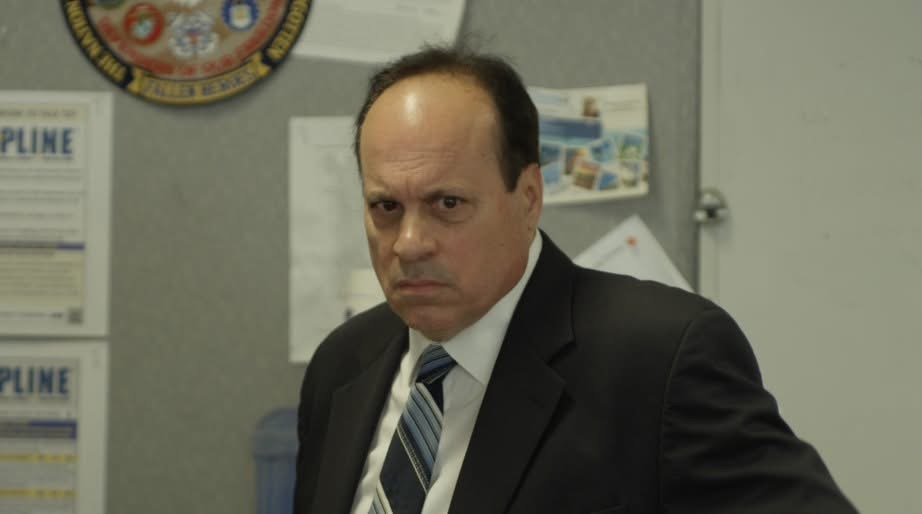
What Kind of Producers?
- Seeking Monetary Producers who will contribute a small portion of money towards production to help the production finish it’s scenes.
- Associate Producer, Producer, and Exe Producer Options open.
- Contact us from who you can assist the production

- Joe Hawk, Executive Producer
- William Petrano, Executive Producer
- Frank Forzano, Associate Producer
- Gary Stevens, Associate producer
- George Bradford Jr, Associate producer
- Sebec Dillon, Associate producer
- Dennis Drake, Producer
- Bob Tourangeau, Associate producer
- Alan Tuchmann, Producer
- Sa Bauer, Associate Producer
- Christy Bumgardner-Billett, Associate Producer
Benefits of PRODUCER
Become part of the team for this HIGH-VISIBILITY Project. It will be streaming on TUBI free based platform.
- Each PRODUCER will be invited to our RED Carpet Event in 2026 in CT/NY and also be invited to On-Set locations.
- Producer shall be listed on IMDB and Each Episode as PRODUCER.
OVERVIEW
Concept Overview:
The White House Is Fake is a seven-part psychological-political thriller that fuses government conspiracy, simulation theory, and existential coming-of-age drama into a mind-bending narrative that asks: What if the greatest lie ever told was the one we built our entire democracy on?
Set in early 1990s Virginia, the story follows Nelson Conrad, an awkward, adventure-seeking teen who stumbles into a government labyrinth of hidden tunnels, faked presidencies, and simulation experiments that test the boundaries between truth and illusion.
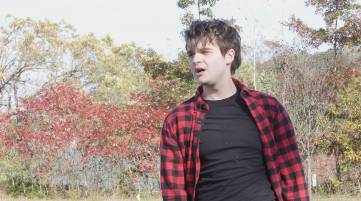
Episode Break-Down
S1.E1 ∙ A Few Code Reds
In 1992 Alexandria, Virginia, teenage misfit Nelson Conrad stumbles upon a secret meeting between the real and fake U.S. Presidents, unknowingly putting himself on a collision course with forces far beyond his control.
S1.E2 ∙ Mr. Hutchinson
After tracking a mysterious phone number from the bridge plans, Nelson Conrad meets James Hutchinson, a manipulative government agent who will stop at nothing to protect secrets from civilians.
S1.E3 ∙ Finding the Truth
Captured and framed for murder, Nelson Conrad is executed by James Hutchinson and the military, only to awaken as a ghost determined to expose the conspiracy that killed him.
S1.E4 ∙ The Legacy of Nelson Conrad
Nelson Conrad uncovers a classified 1957 government act revealing that every U.S. president since Eisenhower has been a decoy, while the real president secretly operates from the Department of Transportation in California.
S1.E5 ∙ Talking from the Grave
After saving his father and Matthew from James Hutchinson’s assassination attempt, Nelson Conrad’s ghost continues to expose the government conspiracy, even possessing the Fake U.S. President in a moment of supernatural revenge.
S1.E6 ∙ Nelson Follows Mr. Hutchinson
As Nelson returns home and life seems normal again, the illusion begins to unravel when a new neighbor reveals himself as Mr. James Hutchinson, murdering Nelson’s parents and repeating the same nightmare
S1.E7 ∙ Reality Check
After seemingly escaping the endless cycle of simulations, Nelson Conrad tries to rebuild a normal life, but disturbing glitches, strange messages, and the reappearance of James Hutchinson suggest reality is still being manipulated.
Why a Producer Should Back This Project
1. A Timely, High-Concept Hook
The series taps directly into the current cultural zeitgeist — the post-truth era –It takes those anxieties and dramatizes them in a genre-savvy story with mass appeal. Think “Mr. Robot” meets “Stranger Things” meets “Total Recall.”
The title alone — The White House Is Fake — is instantly provocative and marketing gold. It invites curiosity, controversy, and conversation.
2. Multi-Genre Appeal = Broad Market Reach
It combines:
- Political Thriller: Government cover-ups, secret tunnels, hidden presidents.
- Sci-Fi/Simulation Horror: The revelation that everything is an experiment.
- Emotional Drama: A teenager’s loss of innocence and identity.
That cross-genre layering appeals to fans of both intellectual thrillers and supernatural character journeys. It’s bingeable, cinematic, and tonally diverse — perfect for streaming audiences.
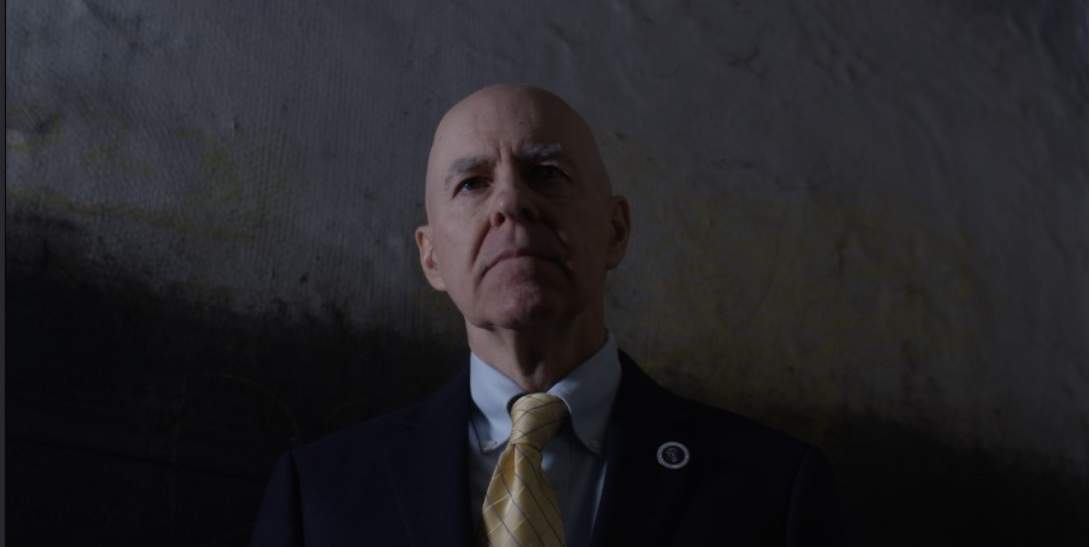
3. Visually and Emotionally Cinematic
Each episode builds escalating tension and cinematic scope:
- EP1–2: Spielbergian nostalgia with mystery overtones.
- EP3–4: Turns dark, merging The X-Files–style paranoia with covert military realism.
- EP5–7: Becomes full-on psychological sci-fi, blending the paranoia of Inception with the dread of Black Mirror.
This evolution gives the project the visual and tonal flexibility for a stylized streaming series or prestige limited run.
4. Character-Centered Storytelling
Despite its conspiratorial scope, the show’s emotional core never wavers:
It’s about a boy trying to prove he matters in a world built on lies.
Nelson’s journey — from innocent dreamer to existential survivor — grounds the high concept in raw humanity, creating both award-season emotional depth and genre-fan thrills.
5. Built-In Franchise & Universe Potential
The world of The White House Is Fake — secret tunnels, simulation rooms, fake presidencies, black-ops pharmacies — is expandable.
Spin-offs could explore:
- Other “beta testers” of the simulation program.
- Historical cover-ups tied to real political events.
- The deeper origins of the “Fake President” system.
It’s a franchise-ready IP disguised as an intimate psychological thriller.
6. Budget Flexibility
The series scales naturally:
- Episodes 1–3 can be shot with grounded 1990s suburban realism (low-to-mid budget).
- Episodes 4–7 introduce controllable, enclosed set pieces (tunnels, labs, simulation rooms).
The result: prestige-quality visual storytelling without blockbuster spending.
7. Emotional & Cultural Relevance
At its core, The White House Is Fake speaks to a generation that questions everything — institutions, media, even reality. It dramatizes that paranoia through a young man’s struggle to reclaim truth, offering catharsis and resonance for viewers who feel trapped in “simulations” of their own making.
Final Logline for Pitch Deck
A teenager’s search for adventure in 1992 Virginia uncovers a hidden government operation that fakes presidencies and manipulates reality itself — until his own death becomes part of the cover-up, and the truth turns out to be the biggest illusion of all.
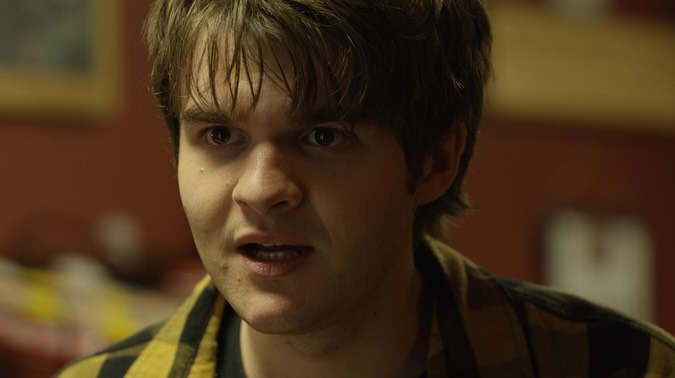
In short:
This is a marketable, visually thrilling, emotionally grounded, and thematically daring mini-series that combines the heart of a coming-of-age story with the scale of a government conspiracy epic.
It’s Stranger Things for the politically disillusioned — The X-Files for the streaming era — and Inception for a generation questioning what’s real.
THE WHITE HOUSE IS FAKE – Executive Summary
The White House Is Fake is a seven-part limited series that fuses political thriller, psychological sci-fi, and supernatural mystery into a single, high-concept event. Set in 1992 Virginia, it follows Nelson Conrad, a restless teenager whose hunt for “the next big adventure” uncovers a buried government program that fakes presidencies, edits history, and manipulates human perception through simulation technology. When Nelson is framed, murdered, and awakens inside a digital purgatory, his search for truth becomes an existential battle against the machinery of deception itself. Tonally positioned between Mr. Robot, Stranger Things, and Total Recall, the series explores identity, surveillance, and the collapse of reality in a post-truth world. Each episode escalates from nostalgic coming-of-age realism to full-scale psychological conspiracy, blending 1990s Americana with the paranoia of modern political culture. Visually contained yet cinematic—suburban homes, secret tunnels, and VR labs—the show delivers prestige-level tension on a controllable budget. Its core theme, that truth can be engineered as easily as entertainment, makes it timely, viral, and conversation-driven. With franchise potential through its wider “simulation universe,” The White House Is Fake offers streamers a bingeable, provocative property that merges genre spectacle with emotional depth—the story of a boy trying to prove he matters in a world designed to erase him.
Market Positioning
The White House Is Fake is prestige sci-fi built for streaming audiences hungry for concept-driven drama with emotional resonance.
Its title alone is provocative, viral, and shareable — perfect for digital marketing and online conversation. The show fits alongside content that blends mystery, nostalgia, and paranoia — ideal for platforms like Netflix, Amazon Prime Video, or Apple TV+.
Demographic Target:
- Core: Ages 18–45, fans of Mr. Robot, Severance, Stranger Things, Dark, Black Mirror, and The X-Files.
- Secondary: Political thriller and speculative fiction audiences who engage with themes of government secrecy and simulation theory.
- International appeal through universal themes of identity, truth, and corruption.
Visual Style and Production Approach
The visual palette evolves with the story:
- Episodes 1–2: Warm, nostalgic 1990s Americana — reminiscent of Stand by Me and The Wonder Years but with creeping unease.
- Episodes 3–4: Grimy realism and cold, industrial framing evoke Tinker Tailor Soldier Spy and The X-Files.
- Episodes 5–7: Sterile, surreal visuals — simulation rooms, flickering VR lights, and minimalist architecture evoke Ex Machina and Inception.
This tonal evolution gives the project cinematic depth at scalable cost — using practical sets, contained environments (tunnels, labs, homes), and selective CGI to enhance mood rather than dominate it.
Budget and Investment Potential
The series is structured for premium streaming quality on a moderate budget.
Projected range: $10K per Episode in accordance with SAG Micro Guidelines
Its minimal reliance on large-scale VFX and its enclosed, repeatable set designs make it a cost-efficient but visually impactful production.
Investor Advantages:
- High-concept IP with multi-platform potential (TV, graphic novel, digital spinoffs).
- Expandable “simulation universe” for sequels or anthology extensions.
- Award-season viability through its blend of topical relevance and cinematic storytelling.
- Built-in viral marketing potential via the provocative title and conspiratorial themes.
Franchise Potential
The story world can easily expand into:
- Spin-offs: Other simulation test subjects or eras of presidential manipulation.
- Feature Film Prequel: The origin of the “Fake President Program.”
- Interactive Streaming Experience: Integrating simulation theory into user engagement (ideal for digital platforms).
This is not a one-off — it’s a self-contained limited series with the DNA of a franchise universe.
Closing Statement
The White House Is Fake is an intelligent, emotionally charged thriller designed for modern audiences seeking depth, mystery, and conversation. It asks not just what’s real — but who decides.
For investors and producers, it represents the perfect intersection of marketable concept, scalable production, and cultural relevance. It’s a project that doesn’t just entertain — it challenges, provokes, and endures.
 EPISODE 1 INTENSITY ARC – “A Few Code Red’s”
Tone: 90s coming-of-age mystery → Political thriller
Structure Type: Classic Rising Arc (slow build → sharp turn → cliffhanger)
Setting: Alexandria, Virginia – 1992
| Story Segment | Description | Tension Type | Intensity (1–10) |
|---|---|---|---|
| 1. Opening – Nelson’s Obsession | We meet Nelson Conrad, a curious teen filming his “adventures.” The mood is lighthearted but tinged with loneliness and yearning for something bigger. | Curiosity / emotional tension | 4/10 |
| 2. School & Mockery | Nelson’s classmates tease him for chasing mysteries (“Bigfoot Boy”). His frustration builds. We sense he’s an outsider with a deeper hunger for truth. | Social / internal tension | 5/10 |
| 3. Family Conflict | Nelson’s father scolds him for wasting money on adventure gear; his mother tries to protect him. This grounds the emotional tension — personal stakes emerge. | Domestic / emotional tension | 6/10 |
| 4. The Mysterious Poster | Nelson finds a poster for a “Simulator Company” promising “the adventure of your dreams.” The tone shifts — intrigue mixes with unease. | Mystery / foreboding tension | 6.5/10 |
| 5. The Simulator Scene | Nelson visits the “adventure simulator.” It malfunctions mid-test, flashing strange government imagery. The audience feels the first real pulse of danger. | Technological / psychological tension | 7.5/10 |
| 6. The Highway Discovery | Out fishing, Nelson sneaks beneath a highway bridge and discovers a secret meeting — armed men, limousines, and what looks like the President giving orders. | Conspiratorial / discovery tension | 9/10 |
| 7. The Murder Beneath the Bridge | Nelson witnesses a man executed after defying the “President.” His breathing quickens; the camera trembles. He’s too close to the truth. | Immediate physical / moral tension | 9.5/10 |
| 8. Escape and Research | Panicked, Nelson researches the bridge’s construction, finding blueprints and a phone number tied to 1957. The tone shifts to paranoid determination. | Investigative / psychological tension | 8/10 |
| 9. The Call to Mr. Hutchinson | Nelson dials the decades-old number. An old man answers: “This is Mr. Hutchinson.” The calm voice and mechanical tone freeze the air. | Surreal / dread tension | 9/10 |
| 10. The Library Cliffhanger | Nelson waits to meet Hutchinson. Rain pours outside. Footsteps echo — heavy, deliberate. A man enters, points directly at Nelson. Cut to black. | Cliffhanger / imminent danger | 10/10 |
 Tension Curve Summary
- Act 1 (Intro): Light tension (4–6) built through curiosity and emotional grounding.
- Act 2 (Discovery): Sharp climb (7–9.5) as mystery turns to conspiracy.
- Act 3 (Climax): Sustained high tension (9–10) ending in total dread and uncertainty.
The episode moves from innocence to awakening, mirroring Nelson’s arc — the moment a curious teenager steps into the machinery of government secrets.
Overall Intensity Rating: 8.8 / 10
Episode 1 is a slow-burn mystery that crescendos into a paranoid thriller. Its tension isn’t about violence — it’s about the terrifying realization that something impossible might be real, and someone powerful already knows he’s seen it.
EPISODE 2 INTENSITY ARC – “Mr. Hutchinson”
Tone: Political thriller → Psychological horror
Setting: Alexandria, Virginia – 1992
Structure Type: Rising Spiral (slow-burn suspense → explosive terror → quiet dread)
| Story Segment | Description | Tension Type | Intensity (1–10) |
|---|---|---|---|
| 1. Library Encounter | Nelson meets Mr. James Hutchinson for the first time. The conversation is polite but uneasy — every smile feels rehearsed. | Psychological tension | 6/10 |
| 2. The Invitation | Hutchinson offers to show Nelson the bridge “for his paper.” Nelson hesitates, but curiosity wins. His subtle fear builds beneath the calm. | Imminent danger / false safety | 7/10 |
| 3. The Ride | Trapped in Hutchinson’s government car, Nelson starts to notice red flags: official license plates, coded gestures, strange radio chatter. | Situational tension | 8/10 |
| 4. Descent into the Tunnel | Hutchinson leads Nelson underground. The air changes — cold, metallic, echoing. When soldiers appear, the “field trip” turns into imprisonment. | Claustrophobic / physical tension | 9/10 |
| 5. The Interrogation | Nelson is restrained, interrogated, and subjected to a memory-wipe experiment. Hutchinson’s calm cruelty contrasts the boy’s panic. | Psychological / existential terror | 10/10 |
| 6. Dumped and Awakening | Nelson wakes up in a field, bruised and confused. The stillness is eerie — the horror shifts from external to internal as he realizes the wipe failed. | Aftershock / paranoia tension | 8/10 |
| 7. Pharmacy Encounter | Nelson sees Hutchinson alive and well, smiling like nothing happened. The polite small talk hides mutual awareness — both know the truth. | Subtle, personal dread | 9/10 |
| 8. Home Scene | Hutchinson visits Nelson’s parents as a “guidance counselor.” The conversation is calm, domestic, and horrifyingly normal — a power move in plain sight. | Suburban psychological horror | 9.5/10 |
| 9. Final Shot | Hutchinson leaves the house, turns back, and looks directly at Nelson through the window — a silent warning. The music fades to static. | Lingering, silent threat tension | 10/10 |
Tension Curve Summary
- Act 1: Starts low and steady (6–7) — conversational unease.
- Act 2: Rapid climb (8–10) — physical capture and interrogation.
- Act 3: Dips slightly (8) for recovery — then rises again (9–10) for the home confrontation.
It’s a two-peak structure — one peak during the torture/memory wipe sequence and a second during the home infiltration — giving Episode 2 its signature “double tension punch.”
Overall Intensity Rating: 9.5 / 10
Episode 2 perfects the series’ tonal shift from teen adventure to psychological conspiracy thriller.
The fear becomes intimate: Nelson’s enemy now sits across from his parents — smiling, polite, and untouchable.
EPISODE 3 INTENSITY ARC “Finding the Truth”
| Story Segment | Description | Tension Type | Intensity (1–10) |
|---|---|---|---|
| 1. Cold Open – “The Execution” | The episode opens on chaos: Nelson framed, Chief Rawlings executed, and the cover-up launched by Hutchinson. Gunfire, screams, command voices, and confusion dominate. | Immediate shock & violence | 10/10 |
| 2. News Coverage / Funeral | The public story unfolds: Nelson labeled the shooter, the Chief’s “heroic death” praised. The Conrad family collapses emotionally. | Tragic & emotional tension | 7/10 |
| 3. Hutchinson’s Control Expands | Hutchinson assumes the role of “Earl Jenkins,” controlling the investigation and media. His calm, bureaucratic manipulation is chilling in its quietness. | Systemic / psychological tension | 8/10 |
| 4. The Supernatural Return | Nelson’s ghost awakens—confused, angry, and tethered to the world of the living. The eerie atmosphere, flickering lights, and his unseen presence build suspense. | Paranormal & existential tension | 8.5/10 |
| 5. The Conrad Home / Parental Grief | Janet Conrad suspects foul play, but Gordon tries to stay grounded. Hutchinson (as Jenkins) visits the house again—smiling, manipulative, watching. | Domestic dread / hidden menace | 9/10 |
| 6. The Realtor & Matthew Underwood | Matthew moves into Nelson’s former home. The tone briefly dips into surreal dark comedy as Nelson’s ghost haunts him—but the unease never leaves. | Comedic tension with haunting unease | 6/10 |
| 7. Detective Guilford’s Murder | Just when the audience feels tension might ease, Hutchinson brutally kills Guilford to seal the cover-up. It’s swift, shocking, and reaffirms total control. | Sudden violent tension spike | 9.5/10 |
| 8. Nelson’s Ghost vs. Hutchinson | The haunting turns personal: Nelson confronts Hutchinson directly, causing supernatural disturbances that finally scare even the unflappable operative. | Supernatural retaliation tension | 9/10 |
| 9. The Letter / Final Scene | Matthew finds Nelson’s hidden letter revealing the “Presidential Protection Act.” As he reads, the power cuts out mid-sentence. Black screen. Silence. | Suspense / mystery cliffhanger tension | 10/10 |
Tension Curve Summary
- Opening Shock (10 → 7): Starts at maximum chaos and grief.
- Midpoint Paranoia (7 → 9): Tension rebuilds through manipulation, deceit, and ghostly reappearance.
- Emotional Dip (6): The haunting provides slight tonal relief, though still unsettling.
- Final Ascent (9 → 10): Climaxes with murder, supernatural revenge, and a blackout cliffhanger.
Visually, the arc looks like a sharp mountain peak, collapsing briefly at midpoint before a second, even higher rise — a “double-climax structure” often used in serialized thrillers (e.g., Breaking Bad, Twin Peaks: The Return).
Overall Episode Intensity Rating: 9.5 / 10
Episode 3 is the most intense chapter so far — a blend of violence, psychological horror, and spectral retribution. It’s where tension evolves from fear of discovery to fear of inescapable corruption and the afterlife itself.
FAVORITE QUOTES
Here are The Top 10 Quotes from The White House Is Fake — carefully selected from all seven episodes to capture the story’s essence, tone, and emotional power:
- Nelson Conrad (EP1): “You can’t handle the truth!”
An homage to A Few Code Red’s, setting the tone for Nelson’s quest for truth — ironic and prophetic given what he discovers later. - Hank, the Fake U.S. President (EP1): “After the drug test is confirmed, you are finished. Meanwhile, I’ll go to your house and f*** your wife.”
A line that encapsulates the corruption and brutality at the top — raw and shocking. - Nelson Conrad (EP3): “Being dead is not much fun. Why couldn’t I die after the holidays?”
Darkly comic and deeply human — Nelson’s sardonic humor persists even beyond death. - Nelson Conrad (EP4): “Wow — we America have a puppet president, he’s not even the real U.S. president!”
The pivotal revelation — the line that gives the series its name. - Underwood (EP4): “Listen, you c***less prick — I know you are the NSA Director. I know about the underground tunnels.”
One of the show’s fiercest confrontations — truth against power. - Fake U.S. President (EP5): “Kill Janet and Gordon Conrad and do it now.”
A cold-blooded order that seals the moral rot of the government machine. - Dawn (EP6): “You were in a simulation — you wanted the biggest adventure and boy did you get it.”
The twist that redefines everything — blurring reality and illusion. - Nelson Conrad (EP6): “Holy shit — you’re saying all of what happened was fake?”
A perfect moment of disbelief, confusion, and exhaustion — Nelson’s spiral into existential crisis. - Mr. James Hutchinson (EP7): “You smell that? That’s the smell of victory and a dying rat.”
Villainy distilled to a single chilling metaphor — grotesque yet memorable. - Nelson Conrad (EP7): “I just want my boring life again.”
A heartbreaking close — the hero who sought adventure only to long for normalcy.
Leave a Reply